Exploring the World of Luxury Yacht Rentals
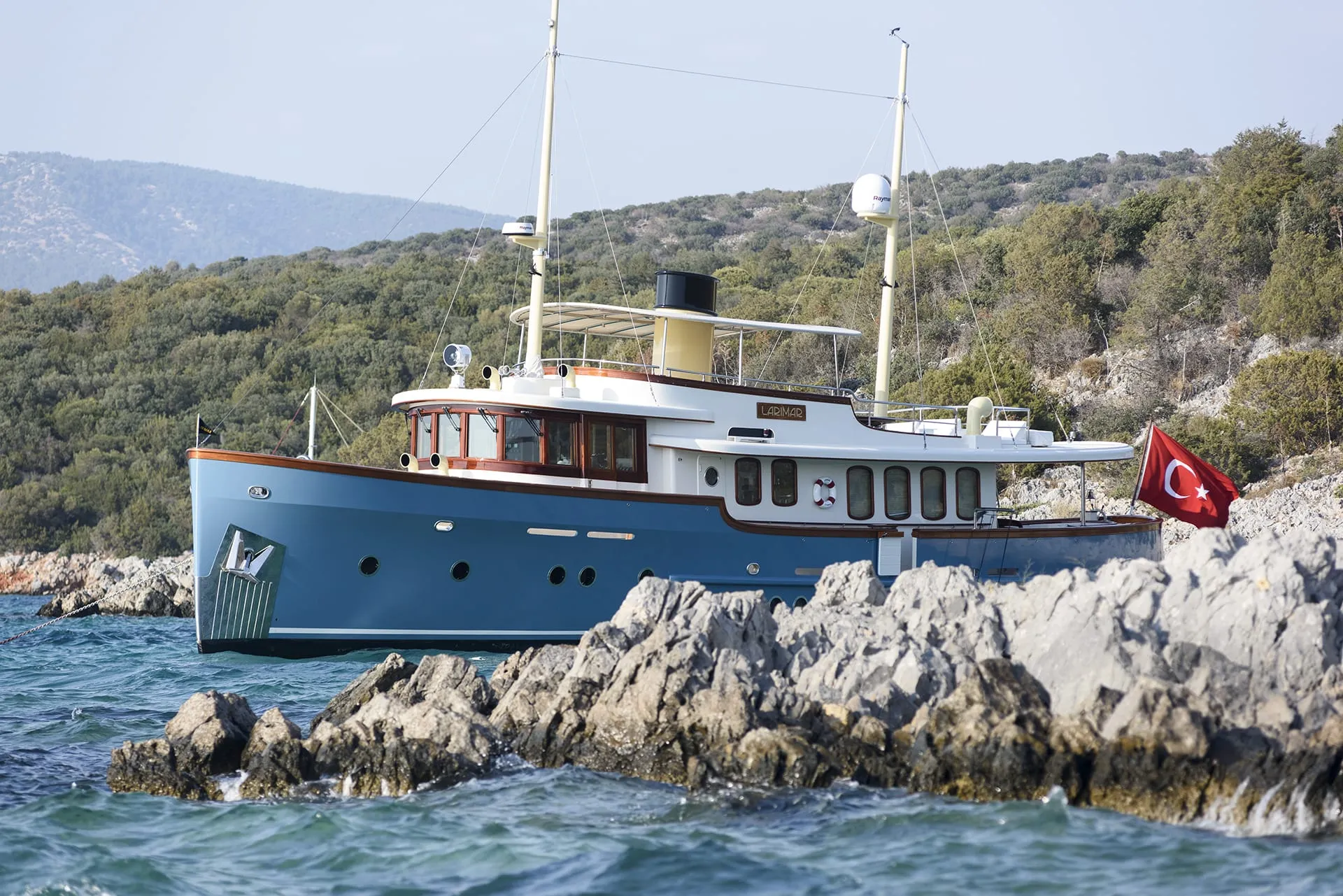
Exploring the World of Luxury Yacht Rentals
Imagine checking into a five-star boutique hotel, unpacking your bags just once, and realizing the view outside your window changes to a new, secluded bay every morning. This scenario captures the fundamental allure of a luxury yacht rental, distinguishing it sharply from static accommodations on land. While a premium villa offers privacy, it remains rooted to one location; a vessel moves with you, blending the comfort of home with the thrill of exploration.
In the maritime industry, this arrangement is technically called a "private yacht charter," but you can think of it as owning a floating estate for a week. Unlike a commercial cruise line where thousands of passengers adhere to a rigid timetable, a charter makes you the architect of your own schedule. You decide when to weigh anchor and where to dine, transforming the vessel into your personal platform for discovery rather than just a mode of transport.
This distinct advantage is often described by travel professionals as the "mobility premium." Rather than organizing your day around shuttle schedules or tour groups, the yacht follows your whims. In practice, this means if the wind picks up in one cove, the Captain simply navigates to a sheltered harbor, ensuring your vacation experience remains uninterrupted by the elements or crowds.
For those looking to invest in a premium travel experience, these logistics are the first step toward booking a successful yacht vacation. By prioritizing privacy and flexibility over fixed amenities, a charter offers a level of customization that traditional hospitality simply cannot match.
Summary
Luxury yacht rentals (private charters) deliver five-star privacy with a flexible, guest-led itinerary—the “mobility premium.” A vetted, accredited charter broker matches you to the right vessel (motor yacht vs. sailing catamaran), secures MYBA-standard contracts, and safeguards funds. Expect boutique-level service from a professional crew and budget via a base-rate-plus-expenses model using APA, regional taxes, and customary gratuity. Thoughtful planning—preferences, itinerary, safety, packing, and use of onboard amenities—culminates in a clear, step-by-step path from inquiry to embarkation.

The Professional Charter Broker: Your Key to Navigating the Private Yacht Market
Booking a superyacht isn't like reserving a hotel room on a travel app; the inventory is vast, private, and constantly moving. This is where a Charter Broker steps in, acting much like a specialized real estate agent for the sea. They serve as your personal advocate, matching your specific preferences---from the crew's culinary skills to the water toy selection---with the thousands of vessels available worldwide. Crucially, these charter broker services typically come at no extra cost to you, as their commission is generally paid by the yacht owner, not the renter.
Safety and financial security are paramount when transferring significant funds for a vacation, which is why accreditation matters. The top tier of this profession operates under the guidelines of organizations like the Worldwide Yachting Association (formerly MYBA). An MYBA endorsement isn't just a logo; it signifies that the broker uses standardized contracts protecting your deposit and ensuring the yacht meets strict safety and service standards before you ever step aboard.
Finding the right partner is the first step toward a successful voyage. Vet a reputable charter broker by checking these essentials:
- Check Affiliations: Look for membership in MYBA, IYBA, or CYBA to ensure professional accountability.
- Ask About Inspections: A good broker visits yachts personally and knows the crews, rather than relying solely on brochures.
- Verify Bank Accounts: Ensure they use a dedicated escrow or client account to hold your funds securely.
- Test Responsiveness: They should ask detailed questions about your group's dynamic and preferences, not just your budget.
With a trusted advisor managing the contracts and logistics, you can focus on the experience: selecting the vessel itself. Your broker will likely start by asking if you prefer the silent thrill of wind propulsion or the spacious stability of an engine-powered vessel, leading to the critical choice between a Motor Yacht and a Sailing Catamaran.
Motor Yacht vs. Sailing Catamaran: Choosing the Right Hull for Your Group's Needs
Your broker's first question often dictates the rhythm of your entire vacation. Motor yachts are frequently designed with a "planing hull," engineered to lift the vessel atop the water at high speeds, allowing you to wake up in Monaco and dock in St. Tropez by lunch. This capability maximizes your itinerary, letting you cover vast distances to see multiple islands in a single week, though this speed comes with higher fuel consumption.
Stability and volume, however, are the domain of the catamaran. By resting on two parallel hulls, these vessels offer a significantly wider "beam"---the width of the boat---which creates massive social areas and minimizes the side-to-side rolling that causes seasickness. Their design also sits higher in the water, granting access to shallow Caribbean coves where deeper, heavier vessels would run aground.
The physics of the hull helps manage expectations regarding comfort and cost. While a fast planing yacht rides on top of the waves, a traditional "displacement hull"---often found on larger motor yachts---plows through the water. Displacement vessels are slower and cannot rush to a new port, but they offer superior stability and fuel efficiency for long-range cruising.
Regardless of whether you choose the thrill of high-speed cruising or the tranquility of a wide-beamed sail, the hardware is merely the stage. The true quality of the experience is dictated by the professionals operating behind the scenes to anticipate your every need.

The 'Invisible Magic' of Onboard Service: Roles and Responsibilities of Your Yacht Crew
While the vessel determines where you can go, the professional yacht crew determines how much you enjoy the journey. Unlike a cruise ship where thousands of passengers share limited staff, a luxury yacht hire typically offers a one-to-one crew-to-guest ratio. This density of service allows the team to operate with "invisible magic," ensuring your coffee appears exactly how you like it before you even ask, and your cabin is refreshed the moment you leave for a swim.
To achieve this level of personalization, the crew is divided into specialized departments that function like the staff of a floating boutique hotel:
- Captain: The CEO and legal authority, responsible for navigation, safety, and itinerary planning.
- Chef: Culinary director creating bespoke menus based on your specific dietary preferences.
- Chief Stew: Head of the interior department, managing service, housekeeping, and guest entertainment.
- Deckhand: Exterior specialists handling water toys, tender driving, and yacht maintenance.
The interior team, led by the Chief Stew, is the heartbeat of the guest experience on board. They are responsible for everything from elaborate table settings to mixing cocktails and organizing shore excursions. Their goal is to facilitate a seamless vacation where you never have to lift a finger or check a watch. Naturally, employing such highly skilled professionals influences the final price tag, which leads to the next crucial question: what exactly determines the total expense of your charter?
Decoding the Invoice: A Comprehensive Private Yacht Charter Cost Breakdown
Unlike booking a hotel suite where the listed price is usually the final figure, the majority of the luxury maritime industry operates on a "Base Rate + Expenses" model. The published weekly rate typically covers the hire of the yacht, the crew's wages, and the vessel's insurance. However, variable costs---everything from the fuel used to reach a secluded bay to the vintage wines served at dinner---are calculated separately. This structure provides financial transparency and operational freedom; you are not paying a flat premium for fuel you didn't burn or food you didn't eat.
Location and timing significantly impact the bottom line, specifically regarding Value Added Tax (VAT). In the Mediterranean, VAT can add anywhere from 20% to 22% to the charter fee, whereas many Caribbean destinations currently charge no tax at all. Furthermore, peak vs low season charter availability dictates the base rate itself; booking a July charter in the French Riviera often costs 15--20% more than the same week in September.
Consider a realistic private yacht charter cost breakdown for a vessel listed at a base rate of $50,000 per week. Your final invoice would likely look closer to this:
- Base Charter Fee: $50,000 (Vessel & Crew)
- VAT (approx. 20%): $10,000 (Government Tax, varies by region)
- APA (approx. 30%): $15,000 (Advance Provisioning Allowance)
- Crew Gratuity (10--15%): $5,000--$7,500 (Discretionary Tip)
- Total Estimated Cost: ~$80,000--$82,500
While taxes and base rates are fixed numbers, the Advance Provisioning Allowance (APA) is the flexible budget that puts you in control. It functions essentially as a prepaid expense account managed by the Captain on your behalf to cover the operating costs of your specific itinerary.
Understanding the APA: Your 'Onboard Debit Card' for Fuel, Food, and Port Fees
The Advance Provisioning Allowance (APA) acts as a temporary expense account created solely for your specific trip. Unlike an all-inclusive resort where you pay a premium for generic services, an APA yacht rental structure ensures you only finance exactly what you consume. This fund typically amounts to 30% of the base charter fee and is wired ahead of time, allowing the crew to stock the vessel with your specific requests, from vintage champagne to specialized fuel for the jet skis.
Once the charter begins, the Captain acts as your sophisticated account manager. Every variable cost incurred during the voyage---including harbor fees, fuel burn, and fresh ingredients sourced from local markets---is deducted directly from this allowance. This system provides the ultimate flexibility; if you decide on a whim to cruise to a distant island, the fuel cost is simply drawn from your pre-paid balance rather than requiring a complex new transaction.
Financial clarity is maintained diligently through a document known as the Ship's Ledger. The Captain tracks every penny spent and retains all physical receipts, which remain available for your review at any time. Advanced provisioning allowance logistics place you in full control of the budget; checking the ledger mid-week allows you to adjust your itinerary or menu plans if spending is trending higher or lower than anticipated.
The charter concludes with a strict reconciliation of these accounts before you leave the vessel. If the efficiency of the yacht or a preference for anchoring out results in a surplus, the remaining balance is refunded to you immediately; conversely, any slight overage is settled prior to departure. With the operational expenses finalized and the ledger closed, the only remaining financial courtesy is acknowledging the service level of the staff through the customary gratuity.
The Etiquette of the 'Envelope': Professional Yacht Crew Tipping Standards
While most shoreside hospitality relies on standard service fees, the yachting industry operates on a slightly different scale due to the immersive, 24-hour nature of the care provided. Industry standards generally suggest a yacht charter gratuity ranging between 10% and 20% of the base charter fee, depending entirely on your satisfaction level. Note that this percentage is calculated on the rental price of the vessel itself, excluding the APA expenses or taxes you previously settled. Viewing this as a comprehensive performance bonus rather than a mandatory surcharge helps align expectations; a 10% tip acknowledges solid service, while 15% or more rewards a crew that anticipated your needs before you even voiced them.
Handing cash to individual staff members is technically discouraged because it undermines the tight-knit team dynamic required for a safe voyage. Professional yacht crew tipping etiquette dictates that you present the total amount in an envelope directly to the Captain right before disembarking. This centralized approach ensures that everyone who contributed to your experience---including "invisible" team members like the engineer maintaining the stabilizers or the chef prepping meals below deck---receives their fair share. The Captain divides this pool according to rank and tenure, ensuring the entire team is equitably recognized for the seamless operation of the vessel.
Navigating these financial courtesies with confidence leaves a lasting positive impression, often securing you "preferred client" status for future bookings. Once the business of the charter is successfully concluded, the focus shifts entirely back to the value of the experience and where you might venture next. With the logistics of the vessel and crew now fully demystified, the only remaining variable is geography, specifically choosing between the dramatic cliffs of the Amalfi Coast, the windswept Cyclades, or the azure waters of the French Riviera.
Designing Your Custom Mediterranean Itinerary: Amalfi, the Cyclades, or the French Riviera?
Selecting a destination is less about picking a country and more about defining your preferred pace. The West Mediterranean---encompassing the French Riviera and Italy's Amalfi Coast---offers short, manageable hops between glamorous ports, allowing you to breakfast in one town and dine in another without spending hours underway. In contrast, the East Mediterranean (Greece, Turkey, and Croatia) focuses on island hopping through rugged landscapes and ancient history, often requiring slightly longer navigation times to reach the most secluded bays.
Geography also dictates your budget and comfort, particularly regarding fuel consumption and local weather patterns. A "heavy" itinerary with excessive nautical miles eats into your APA budget and leisure time; experienced charterers know that planning custom mediterranean sailing itineraries means prioritizing time at anchor over time in transit. Furthermore, seasonal phenomena like the Meltemi---strong northern winds that sweep through the Aegean Sea in July and August---might make the Captain suggest the sheltered Ionian islands instead of the exposed Cyclades to ensure your ride remains smooth.
To visualize how different these experiences can be, consider these archetypal 7-day routes:
- The Socialite (West Med): St. Tropez to Monaco, focusing on beach clubs, high-end shopping, and short 10-mile cruises.
- The Explorer (East Med): Athens to the Saronic Islands, balancing protected waters with visits to ancient temple ruins.
- The Naturalist (Adriatic): Split to Dubrovnik, prioritizing waterfalls, national parks, and hundreds of uninhabited islets.
Regardless of the region, the best yacht charter destinations are enjoyed with a flexible mindset, allowing your Captain to adjust the daily course based on wind and swell. Once you have settled on a dream route, the final step is securing the vessel through a standardized legal framework that safeguards both your funds and your vacation time.
The MYBA Charter Agreement: Protecting Your Investment with Standard Terms
While picking a route is purely creative, finalizing the booking involves a standardized legal structure designed to ensure transparency. Most professional charters operate under the Mediterranean Yacht Brokers Association framework to protect all parties involved. Rather than a confusing document unique to every boat, the standard MYBA charter agreement terms function like a universal language, ensuring that rules for payment, insurance, and liability remain consistent regardless of the vessel you choose.
Financial security is the primary benefit of this uniformity. When you transfer the charter fee, it is typically held in a protected stakeholder account by the broker rather than going directly to the owner immediately. This setup mirrors a real estate escrow account, ensuring your money is released only when specific conditions are met, safeguarding you against the unlikely event that a yacht rental contract is breached before you step aboard.
Unpredictability is an inherent part of maritime travel, which is why these agreements include specific "Force Majeure" clauses to handle the unexpected. If a major mechanical failure or severe weather event renders the yacht unusable, the contract clearly outlines your rights to a refund or rescheduling without ambiguity. This pre-agreed clarity eliminates uncomfortable negotiations, allowing you to rely on legally defined contingencies should the need arise.
With the administrative framework securing your investment, the focus shifts to the personal touches that define luxury. The next step involves completing a detailed preference sheet, a crucial document that transforms a standard provisioning list into a bespoke culinary adventure tailored by your private chef.
Five-Star Dining at Sea: How Your Private Chef Manages the Preference Sheet
Unlike a hotel where you choose from a fixed menu, a yacht charter revolves entirely around your specific tastes. This customization begins weeks before departure when you complete the preference sheet , a detailed document that serves as the blueprint for your culinary experience. It informs the crew not just of allergies, but of specific brand preferences, meal timing, and dining styles. Whether you desire a formal seven-course tasting menu or a casual family-style barbecue on the sun deck, the private chef and gourmet catering options are limited only by your imagination and local availability.
Providing granular detail here allows the crew to stock the vessel---a process known as "provisioning"---before you arrive. To ensure the galley is perfectly prepared, consider including these specific details on your sheet:
- Dietary Needs: Clearly list protocols like Gluten-free, Keto, or severe allergies.
- Specific Brands: Note if you prefer "San Pellegrino only" or a specific vintage of wine.
- Dining Rhythms: Indicate if you are early risers needing coffee at 6 AM or prefer a late brunch.
- Occasions: Highlight birthdays or anniversaries requiring special cakes or themes.
While the chef works magic, geography plays a role in what can be sourced. If you are sailing through remote Caribbean islands, requesting specific berries flown in from Japan may incur significant shipping costs or prove impossible. Therefore, the preference sheet functions as a guide for the chef to procure high-quality local alternatives when necessary, ensuring fresh ingredients match the setting. With the menu set and the galley fully stocked, your attention can turn from relaxation to recreation, specifically regarding the garage full of water sports equipment waiting below deck.
Toys, Tenders, and Tech: Making the Most of Onboard Amenities
The hull of your vessel hides more than just engines; it often houses a floating playground customized to your energy level. Modern charters prioritize active entertainment, equipping the "garage" with Seabobs, electric hydrofoils, and massive inflatable slides that deploy from the sundeck. Just as you tailored the menu, the broker ensures the specific inventory of luxury superyacht onboard amenities and toys matches your group profile, perhaps swapping high-adrenaline jet skis for family-friendly paddleboards if you are traveling with younger children.
Exploring the coastline often requires a secondary vessel, but there is a clear distinction between a standard tender and a chase boat. Every charter carries a tender---essentially a high-end water taxi---to shuttle guests to shallow beaches or harbor restaurants where the main yacht cannot dock. A chase boat, conversely, is a larger standalone day cruiser that trails the main vessel, offering significantly more speed and independence for exploring distant coves without moving the "mothership."
While adrenaline fuels the day, stability defines the night, thanks to zero-speed yacht stabilizers. Historically, boats would roll with the swell even when anchored, but this technology uses underwater fins or gyroscopes to counter the ocean's movement actively. This innovation virtually eliminates the sensation of rocking while stationary, ensuring that even those prone to seasickness can enjoy a peaceful night's sleep without ever needing "sea legs."
Balancing this high-tech comfort with responsible usage is the final step before you can fully relax. With the hardware explained, we must now review the essential rules covered in the safety briefing to ensure a secure voyage.

Safe Passage: Essential Safety and Packing Protocols for New Charterers
Before the champagne is poured, the Captain will gather all guests to review critical safety considerations and vessel protocols. This brief orientation is far more than a legal formality; it provides a vital overview of life jacket locations, emergency exits, and muster stations specific to the yacht's layout. Paying close attention here ensures that the crew can manage any unlikely emergencies while you focus entirely on relaxation.
Once the drill concludes, you will likely encounter the universal "barefoot rule." Yacht decks are lined with delicate teak wood, and interiors often feature custom wool carpets that are easily damaged by street shoes or stilettos. While this policy protects the vessel's pristine condition, it also enhances the atmosphere of casual luxury, encouraging guests to spend their week entirely barefoot or in clean, soft-soled boat shoes.
Storing your belongings requires a similar shift in mindset, specifically regarding the type of luggage you bring. Unlike hotel suites with expansive walk-in closets, yacht cabins utilize clever but compact storage solutions that often cannot accommodate large, rigid trunks. Hard-shell cases risk scratching polished wood paneling and are difficult to stow, making collapsible soft-sided bags the non-negotiable standard for seasoned charterers.
To ensure a seamless transition from land to sea, focus your luxury yacht charter packing list essentials on functionality and marine protection:
- Soft Duffle Bag: Collapsible luggage that fits easily into under-bed drawers or narrow lockers.
- Polarized Sunglasses: Essential for cutting the intense glare reflected off the water to reduce eye strain.
- Reef-Safe Sunscreen: Creams (rather than oily sprays) that protect marine ecosystems and prevent staining the teak decks.
With your bags packed correctly and safety protocols understood, you are ready to finalize the logistics of your booking.
Your Yachting Action Plan: From Dreaming to Departure
You have moved from a curious observer on the dock to an informed traveler ready to command the horizon. The world of private charter is no longer a closed circle of jargon and mystery, but a structured, accessible path to the ultimate bespoke vacation. With a clear grasp of the costs, the crew's role, and the logistics, you can approach the market not as an outsider, but as a prospective client with clear expectations.
Turning this insight into reality requires a methodical approach rather than a leap of faith. Navigate your first booking using this timeline:
- Week 1 (Define): Determine your guest count, preferred dates, and total budget (including the estimated APA).
- Week 2 (Engage): Contact a charter broker to discuss specific regions and vessel types suitable for your group.
- Week 3 (Select): Review the broker's shortlist, paying close attention to crew profiles and recent refits.
- Week 4 (Secure): Sign the Myba Charter Agreement and wire the deposit to lock in your dates.
The most significant return on investment in yachting isn't measured in nautical miles, but in the absolute privacy and freedom discovered between them. You are now equipped to look past the price tag and see the value of an itinerary that bends solely to your will. Reach out to a broker today and ask for a sample itinerary for your dream destination---the sea is ready when you are.
Q&A
Question: What makes a private yacht charter different from a villa stay or a cruise? Short answer: A private charter delivers the “mobility premium”: five-star privacy with a guest-led itinerary that moves with you. Unlike a villa fixed to one location or a cruise with rigid schedules and crowds, your yacht changes the view daily, adapts to weather (the Captain can shift to a sheltered bay), and runs on your timetable. You also get boutique-level, highly personalized service—often near a one-to-one crew-to-guest ratio—so preferences are anticipated and every detail is handled for you.
Question: What does a Charter Broker actually do, and why choose one who works with MYBA standards? Short answer: A broker is your advocate and matchmaker, aligning your preferences (from chef skills to water toys) with thousands of moving, privately listed yachts worldwide—typically at no extra cost to you (their commission is paid by the owner). Reputable brokers use standardized MYBA contracts, hold funds in protected client/escrow accounts, and personally inspect yachts and crews. Vet them by affiliations (MYBA, IYBA, CYBA), asking about yacht/crew inspections, verifying they use a dedicated client account, and gauging how thoroughly they learn your group’s needs.
Question: Should I book a motor yacht or a sailing catamaran—and how do hull types affect comfort and access? Short answer: Pick based on pace, space, and sea conditions. Planing-hull motor yachts prioritize speed (think Monaco to St. Tropez by lunch) but burn more fuel; displacement-hull motor yachts cruise slower with greater stability and efficiency. Sailing catamarans offer exceptional stability and living space thanks to their wide beam, and their shallow draft accesses coves that deeper yachts can’t. If you value fast repositioning, choose a planing motor yacht; for maximum stability, volume, and shallow-water access, choose a catamaran; for long-range comfort, a displacement motor yacht is ideal.
Question: How do charter costs really add up—and what is the APA? Short answer: Most charters use a Base Rate + Expenses model. The base covers the yacht, crew wages, and insurance. Variable costs—fuel, food and beverages, port/harbor fees—are paid via the APA (Advance Provisioning Allowance), typically about 30% of the base and wired in advance. Regional taxes (e.g., Med VAT ~20–22% vs many Caribbean locales at 0%) and seasonality (peak weeks can be 15–20% higher) also matter. Example for a $50,000 base: ~20% VAT ($10,000), ~30% APA ($15,000), plus customary crew gratuity. Industry tipping guidance is generally 10–20% of the base fee based on satisfaction (the example uses 10–15%), bringing the estimate to roughly $80,000–$82,500. The Captain manages a detailed ledger of APA spending; any surplus is refunded and any overage settled at the end.
Question: What should I expect from the crew—and how are roles and service organized onboard? Short answer: A yacht runs like a floating boutique hotel with specialized departments: the Captain (navigation, safety, itinerary), Chef (bespoke menus shaped by your preference sheet), Chief Steward/ess (interior service, housekeeping, entertainment), and Deck team (water toys, tenders, exterior). This structure enables “invisible magic”—personalized touches, seamless service, and a refreshed cabin the moment you step out. Your preference sheet drives provisioning and dining style, while the team coordinates activities, shore excursions, and toys so you can relax without watching the clock.



 Follow us on Instagram
 Call Now
